0%

Choosing a FILO Push Back Pallet Rack System is not simply a matter of comparing beam prices. It requires a clear view of inventory flow, pallet dimensions, loading equipment, and daily handling habits. In a properly designed system, the last pallet loaded is the first pallet retrieved. This suits products with similar stock-keeping units, limited picking frequency, or predictable batch movement.

James A. Tompkins, a respected warehouse and logistics expert, wrote, “The warehouse is no longer a place to store materials.” That idea matters here. A FILO Push Back Pallet Rack System should support movement, not merely create dense storage. Measure aisle width carefully. Check forklift reach, pallet weight, rack height, and available floor clearance. A 1,000-kilogram pallet can expose weak design decisions quickly.

Look closely at cart travel, rail alignment, pallet overhang, and operator visibility. Push-back carts must roll smoothly under realistic loads, not only during a showroom demonstration. Ask whether the rack protects product rotation requirements. FILO storage may be unsuitable for strict first-expired, first-out operations. That detail is easy to overlook.

The best choice balances capacity, safety, accessibility, and future change. It should also include engineered calculations, installation inspection, and routine maintenance guidance. Yet no rack design is perfect. Product sizes may change. Forklift behavior may vary. A careful buyer leaves adjustment space instead of filling every possible position. That is less impressive on paper, perhaps, but more dependable in a working warehouse.
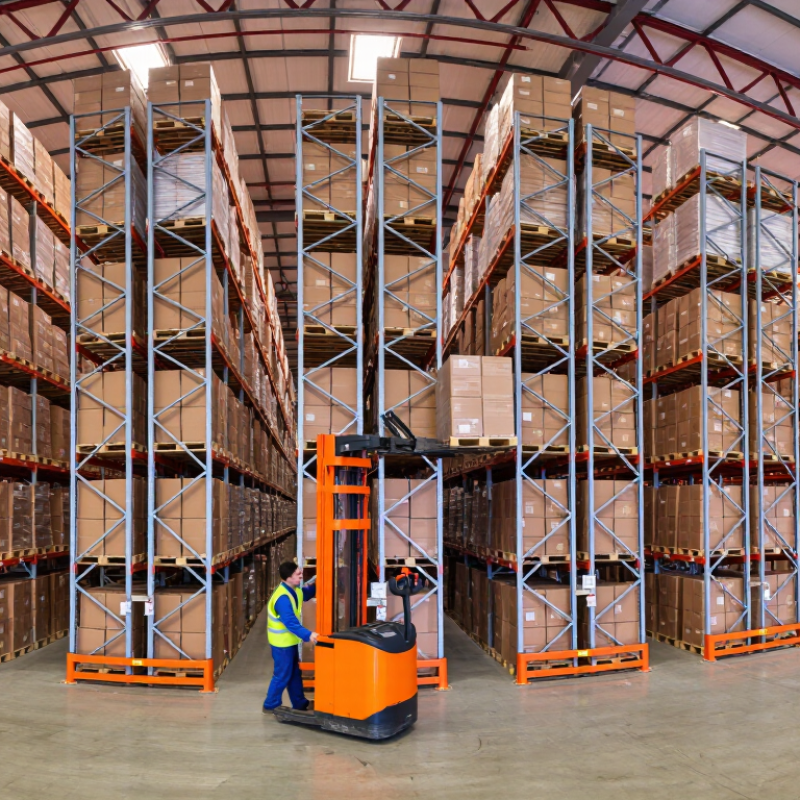
How to Choose a FILO Push Back Pallet Rack System?

Understanding How FILO Push Back Pallet Racks Work

A FILO push back pallet rack stores the newest pallet at the front and keeps older pallets behind it. FILO means First In, Last Out. Each lane uses slightly inclined rails or carts. When a forklift places a pallet into the lane, gravity moves it toward the rear. Removing the front pallet allows the remaining pallets to roll forward. It is simple in principle. Yet small design errors can affect daily safety and speed.

The system suits warehouses handling several pallets of the same product. It reduces travel distance and uses deeper storage than standard selective racks. Before choosing one, check pallet dimensions, load weights, lane depth, ceiling height, and forklift clearance. Rail spacing must match the pallet base. Otherwise, pallets may drag, tilt, or stop halfway. Confirm the rated capacity with a qualified supplier and inspect brakes, rollers, frames, and anchors regularly. Real conditions matter more than a neat layout drawing.

Tips: Keep each lane dedicated to one product type and load pallets evenly. Train operators to enter straight and control their speed. Label lanes clearly. Do not mix damaged pallets with stable ones. FIFO may be better for dated goods, while FILO works well for uniform, non-expiring inventory. That distinction is easy to overlook. Also, review the rack after several weeks of use. A system that looks efficient on paper may create awkward turning movements in practice.

How to Choose a FILO Push-Back Pallet Rack System?

Understanding how FILO push-back pallet racks work: pallets are loaded from and retrieved toward a single aisle. The first pallet loaded is positioned at the back, so the last pallet loaded is normally the first one retrieved.

Typical FILO push-back lanes are designed for approximately 2 to 6 pallet positions in depth. Choose a shallower lane for smaller batches and more frequent product changes, or a deeper lane when storing larger batches of the same product and maximizing storage density is the priority.

Assessing Warehouse Space, Pallet Types, and Storage Needs

Choosing a FILO push-back pallet rack system begins with an honest assessment of the warehouse. Measure clear ceiling height, aisle width, column positions, floor condition, and sprinkler clearance. Do not calculate capacity from ceiling height alone. Rack beams, forklifts, and safety gaps consume valuable space.

Measure twice.

Pallet details matter just as much. Record pallet length, width, weight, bottom-board design, and overall condition. Push-back carts or rails must support the pallet properly during loading and unloading. Uniform pallets usually move more reliably through deep lanes. Mixed pallet sizes can reduce usable depth and create unstable loading patterns. That detail is often missed. I have seen layouts look efficient on paper but perform poorly when damaged pallets enter the lane.

Storage needs should guide the final configuration. FILO systems suit operations that store multiple pallets of the same product and accept reduced access to older stock. Review product turnover, SKU quantity, lane depth, forklift type, and expected daily movements. High-volume items may need shorter lanes to limit travel and handling time. Slow-moving goods can use deeper lanes, provided weight distribution remains within the engineered limits. Load capacity must be verified for every level, not estimated casually. A qualified rack professional should review the floor, structure, vehicle clearances, and protection requirements before installation. I would not approve a layout from a drawing alone. A real site review often reveals awkward turns, uneven floors, or clearance problems that drawings hide.

Choosing Rack Capacity, Depth, and Loading Configuration

A FILO push-back pallet rack should be sized from actual loading behavior, not a catalog sketch. The 2024 CSCMP State of Logistics Report placed U.S. logistics costs at $2.3 trillion, or 8.7% of GDP. That pressure makes dense storage attractive, but overloading a lane creates a costly failure point. Record pallet weight, product dimensions, turnover, and forklift type for each SKU. Do not average them too early. The first estimate is often wrong.

Choose capacity by the heaviest pallet, then add a controlled engineering margin. Confirm beam, cart, rail, upright, and floor loads with engineering calculations and local code requirements. For depth, measure the pallet footprint plus clearance for deformation, retrieval, and fire protection. A 48-inch pallet does not automatically need a 48-inch lane. Product overhang changes stability and usable volume. Shorter lanes may improve access; deeper lanes may raise density but reduce selectivity. The trade-off appears during replenishment.

Loading configuration should match product rotation. Put one SKU per lane when traceability matters, and load heavier pallets at lower levels. Use FIFO alternatives when age control matters; FILO works better for uniform products and limited variety. The 2024 MHI Annual Industry Report identifies robotics and automation as growing priorities, yet automation cannot correct poor weight data or inconsistent pallet quality. OSHA 29 CFR 1910.176(b) requires stored materials to remain stable and secure. Leave practical aisle clearance, inspect damaged pallets, and test the worst-case load. A neat drawing can still hide a bad assumption.

How to Choose a FILO Push Back Pallet Rack System? - Choosing Rack Capacity, Depth, and Loading Configuration

Selection Dimension Typical Planning Data Recommended FILO Configuration Why It Matters Verification Required Before Purchase
Pallet footprint Common footprints include 48 × 40 in, 48 × 42 in, and 48 × 48 in. Metric footprints such as 1200 × 800 mm and 1200 × 1000 mm are also widely used. Select a carriage and lane width that support the actual pallet footprint without excessive overhang or contact with the frame. Pallet dimensions determine usable lane width, frame spacing, storage density, and the required push-back cart size. Measure pallet length, width, bottom-board layout, load overhang, and pallet condition.
Pallet load weight A planning range of 1,500–3,000 lb per pallet is common in many general warehouse applications; heavier loads require project-specific engineering. Use the maximum gross pallet weight, not the average weight, when sizing beams, frames, carts, and support members. Rack capacity is limited by the weakest structural component and by the load distribution on each level. Confirm maximum pallet weight, load center, weight distribution, and whether the load is uniform or concentrated.
Number of pallets per lane Typical FILO lanes hold 2–6 pallets deep. Two- and three-pallet lanes are often easier to operate; four- to six-pallet lanes provide greater density. Choose lane depth according to inventory turnover, SKU quantity, and the required selectivity. Greater depth increases storage density but reduces direct access to individual pallets and can increase handling time. Confirm pallet depth, clearance between pallets, product stability, and forklift reach capability.
Rack depth Approximate structural depth for a 48 in deep pallet is commonly planned at about 96–102 in for a two-pallet lane and 144–150 in for a three-pallet lane, before final clearances are engineered. Add the required pallet clearances, cart geometry, rear stops, and frame tolerances to the pallet length. Insufficient depth can cause pallet interference; excessive depth wastes floor space and may reduce usable capacity. Obtain a supplier layout showing clear lane depth, overall rack depth, and aisle projection.
Vertical levels Many systems use 2–4 storage levels above the floor, depending on clear height, pallet height, sprinkler requirements, and material-handling equipment. Set beam elevations to provide pallet clearance while preserving required building and fire-protection clearances. More levels increase positions but also increase total frame loading and may restrict forklift access. Check clear ceiling height, maximum load height, sprinkler design, lighting, ducts, and local fire-code requirements.
Beam capacity Beam capacity must be specified for the actual span and load condition. A practical design example is 4 pallets × 2,000 lb = 8,000 lb uniformly distributed on one lane, subject to engineering approval. Select beams based on total load per level, number of pallets per lane, pallet support method, and deflection limits. Published capacity cannot be transferred between different beam sizes, spans, connectors, or loading patterns. Request stamped or certified capacity data for the exact rack geometry and loading arrangement.
Upright frame capacity Frame capacity depends on height, depth, bracing, perforation pattern, beam elevations, seismic forces, and the combined load from all supported levels. Size frames for the maximum accumulated load above the lowest beam, including impact and environmental design requirements where applicable. A beam may meet its rating while the upright frame or anchor connection does not. Confirm frame load tables, base-plate requirements, anchorage, floor slab capacity, and seismic design category.
Loading configuration FILO means the first pallet loaded is normally the last pallet removed. Pallets are loaded and retrieved from the same aisle. Use push-back carts or nested carts with front-to-rear pallet loading on inclined rails or structural supports. The configuration improves density and supports batch storage but is less suitable for strict FIFO rotation. Confirm forklift approach, pallet sequence, cart travel, unloading method, and operator visibility.
Load-support method Common solutions include roller carts, wheel carts, or structural rails. The selected method must match pallet bottom construction and load weight. Use continuous and stable support points under the pallet runners; avoid relying on unsupported or damaged pallet boards. Poor support can create pallet deflection, cart binding, product damage, or unsafe unloading. Test the actual pallet type, including stringer or block design, board spacing, and pallet condition.
Slope and movement control Push-back lanes commonly use a controlled incline so the load returns toward the aisle. The exact slope depends on cart design, load, friction, and lane depth. Specify a controlled travel system with stops, guides, and speed management rather than selecting slope by angle alone. Too little movement may prevent return travel; excessive movement may increase impact forces and product risk. Require a full-load and empty-load operational test using the actual pallet and product.
Aisle width Aisles are commonly planned around the forklift manufacturer's specified turning and operating dimensions; approximately 96–144 in may be encountered depending on truck type and pallet size. Use the minimum safe aisle width stated for the specific lift truck, attachment, load, and operating direction. Reducing aisle width can improve density but may reduce throughput and increase collision risk. Obtain the truck data sheet and validate turning clearance with the largest planned load.
Inventory rotation FILO is generally appropriate for low- to medium-turnover products stored in batches, provided each lane is dedicated to a single SKU or compatible lot group. Assign lanes by SKU, lot, expiry date, or production batch to prevent older product from being blocked. Lane depth should reflect demand frequency; deep lanes can increase replenishment and retrieval time. Review daily pallet movements, SKU count, lot-control rules, and required access frequency.
Safety and compliance Rack systems require protection against forklift impact, secure anchorage, visible load plaques, routine inspections, and compliance with applicable local standards. Include column guards, end-of-aisle protection, backstops where required, safety pins, and clearly posted capacity information. Safety accessories and operating rules protect personnel, inventory, and the structural system. Have the final design reviewed by a qualified rack engineer and approved for the site's building and seismic conditions.
Planning note: The ranges shown are general warehouse-planning references, not certified load ratings. Final beam, frame, cart, anchorage, aisle, and fire-clearance specifications must be verified for the exact pallet, product, forklift, building, and applicable local codes.

Comparing Cart Designs, Materials, and Safety Features

Choosing a FILO push-back pallet rack system requires more than checking its rated capacity.

The cart design affects loading speed, pallet stability, and maintenance. Nested carts suit high-density storage because each cart supports the next pallet. Roller-based designs can reduce friction, but dirty or damaged rollers may slow movement.

During site evaluations, I look for smooth travel, controlled stopping, and enough clearance between pallet edges. Small gaps matter when forklifts operate quickly.

Steel carts usually provide strong support under repeated loading. Their frames should resist bending, while rollers need durable bearings and protected surfaces.

Galvanized components may perform better in humid areas, although coating quality varies. Some systems use polymer wear strips to reduce noise and friction. These parts feel practical, but they still require inspection.

A quieter cart is not automatically a safer cart.

Safety features deserve direct attention.

Front stops should hold pallets without damaging their boards. Guide rails must keep carts aligned during uneven loading. Anti-runaway devices can limit sudden movement, especially when operators place heavy pallets quickly.

Clear load labels, rack guards, and anchored frames add useful protection. I once saw a well-rated rack perform poorly because pallets were unevenly positioned. Design assumptions failed.

Regular checks should examine bent rails, worn rollers, loose anchors, and damaged pallets. Operators also need training on keeping forks level and loads centered.

Planning Installation, Operation, Inspection, and Maintenance

A FILO push back pallet rack system begins with accurate planning. Measure pallet depth, load weight, aisle width, ceiling height, and forklift turning space. Push-back lanes store pallets deeper than selective racks, so small measurement errors can create serious access problems. OSHA estimates that powered industrial trucks cause about 35,000 serious injuries annually in the United States. Rack design should therefore match the truck, load, and operator skill level.

Installation needs more than upright assembly. Anchor frames to the specified floor structure, install row spacers, and confirm levelness before loading. Follow the manufacturer’s engineering drawings and applicable ANSI MH16.1 requirements. During operation, place the heaviest pallets in lower positions. Keep pallets centered, stable, and within the posted capacity. Never push a damaged pallet into a lane. It may look acceptable.

Daily operators should watch for bent frames, displaced rollers, missing pins, and uneven pallet movement. The Rack Manufacturers Institute recommends documented inspections by trained personnel. HSE guidance HSG76 also advises routine visual checks and a formal expert inspection at least every twelve months. A weekly review is practical for busy warehouses, although high-impact areas may need more frequent checks. Record photos, load changes, repairs, and repeated impacts. Maintenance teams should replace damaged components, not simply straighten them. One overlooked detail is housekeeping: loose shrink wrap near rollers can stop a pallet and encourage unsafe forklift contact.

FAQS

How should I choose the capacity of a FILO push-back rack?

Base capacity on the heaviest actual pallet, not an average estimate. Add an engineering safety margin. Confirm beam, cart, rail, upright, and floor loads. The first estimate may be wrong.

What pallet information should I collect before planning?

Record pallet weight, dimensions, turnover, condition, and forklift type. Review each product separately before combining data. Include overhang, damaged boards, and uneven loads. Small differences matter.

How deep should each storage lane be?

Measure the pallet footprint and add clearance for retrieval, deformation, and fire protection. A 48-inch pallet may need a deeper or shorter lane. Overhang can reduce stability and usable volume. Measure twice.

When is FILO storage suitable?

FILO suits uniform products with limited variety and repeated pallet access. It may reduce selectivity during replenishment. Use a FIFO approach when product age requires tighter control. Rotation matters.

How does product weight affect rack configuration?

Place heavier pallets on lower levels whenever possible. Keep loads centered and within posted capacity. Never push a damaged pallet into a storage lane. It may look acceptable.

What cart features should I evaluate?

Check smooth travel, controlled stopping, alignment, and clearance between pallet edges. Steel frames can support repeated loading when properly designed. Protected rollers may perform better in dusty or humid areas. Quiet does not mean safe.

Which safety details deserve regular attention?

Inspect front stops, guide rails, anti-runaway devices, rack guards, and frame anchors. Confirm pallets remain stable during loading and retrieval. Keep forks level and loads centered. Small gaps matter.

What should installation and daily inspections include?

Verify floor strength, frame levelness, row spacing, aisle width, and forklift turning space. Inspect bent frames, displaced rollers, missing pins, loose anchors, and damaged pallets. Record photos, repairs, impacts, and changing loads. Replace damaged parts. Do not simply straighten them.

Conclusion

Choosing the right FILO Push Back Pallet Rack System requires a clear understanding of how pallets are loaded, stored, and retrieved on a last-in, first-out basis. Begin by evaluating warehouse space, aisle layout, pallet dimensions, load weights, and inventory turnover. These factors help determine the appropriate rack depth, capacity, number of lanes, and loading configuration while making efficient use of available vertical and floor space.

Cart design is also important, as different materials and configurations can affect smooth movement, durability, and performance. Safety features such as backstops, guide rails, retaining systems, and secure connections should be considered to support reliable daily operation. Before installation, plan the workflow, equipment access, and operator procedures carefully. Regular inspections, proper loading practices, and scheduled maintenance will help identify wear, prevent damage, and extend the service life of the system.

Julian

Julian

Julian is a professional marketing specialist with a strong understanding of the company’s products, services, and customer-focused approach. Through years of experience in market research, content strategy, and digital communication, he has developed the ability to explain complex product features......