Blog
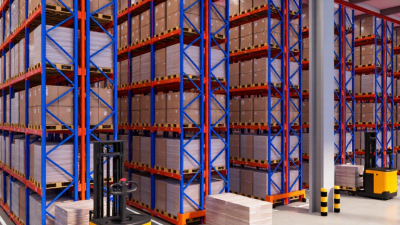
Top Drive In Pallet Racking System Manufacturers?
Selecting the top Drive In Pallet Racking System manufacturers requires more than comparing catalog prices. Warehouse operators need evidence of load performance, engineering competence, installation quality, and after-sales support. The right supplier should understand pallet dimensions, forklift access, storage turnover, seismic conditions, and daily operating risks.
Industry data supports this careful approach. The 2024 MHI Annual Industry Report highlights continuing investment in supply chain technology and warehouse capability. Its findings show that many organizations expect technology adoption to increase, while labor availability remains a serious operational concern. This makes dense storage attractive, but density alone is not enough. A Drive In Pallet Racking System can improve cubic utilization for uniform products. It may also reduce selectivity when inventory changes frequently.
Research from the U.S. Department of Energy’s industrial facilities studies repeatedly links efficient warehouse design with better material-handling performance. However, published figures cannot replace a site-specific review. That is where weak comparisons often begin. A manufacturer may advertise impressive capacity, yet omit frame design, rail tolerances, impact protection, or inspection procedures. Small omissions matter.
Reliable manufacturers provide stamped engineering documents, tested components, clear installation instructions, and traceable quality control. They should explain how their system handles pallet loads at different tunnel levels. They should also recommend suitable forklifts and maintenance routines. Look closely. Ask difficult questions.
This guide examines leading manufacturers through practical and professional criteria. It considers product durability, customization, safety support, certifications, delivery experience, and customer feedback. The ranking is not absolute. Warehouse conditions differ, and even a respected supplier may be unsuitable for a particular operation.
Read more »
 By:Clara
- October 13, 2026
By:Clara
- October 13, 2026
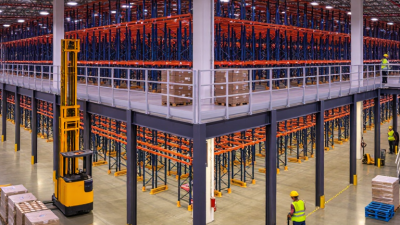
Why Choose an Upright Supported Mezzanine Floor Rack?
Why choose an Upright Supported Mezzanine Floor Rack when warehouse space keeps becoming more expensive? The answer begins with vertical capacity. MHI’s 2025 Annual Industry Report states that 83% of supply chain professionals expect technology adoption to improve competitiveness. This pressure also affects storage design. Companies need more usable volume without immediately relocating or expanding their buildings.
An Upright Supported Mezzanine Floor Rack combines pallet storage with an elevated working platform. Its rack uprights carry the primary loads, while the mezzanine deck creates another operational level. Picture a busy warehouse: pallets stand below, cartons move above, and forklifts continue using defined aisles. That arrangement can support denser storage and clearer workflows. However, the result depends on accurate engineering. Floor strength, rack loading, column locations, seismic conditions, sprinkler clearance, and pedestrian protection require careful review. It is not magic.
Dr. James A. Tompkins, a respected supply-chain and warehousing authority, said, “The warehouse is the heart of the supply chain.” His observation remains practical. A mezzanine system should improve the warehouse’s daily rhythm, not simply add steel. In my view, many projects focus too heavily on maximum capacity. That can be a mistake. Operators must also examine picking frequency, emergency access, maintenance, and future product changes. The Rack Manufacturers Institute and OSHA guidance further reinforce the importance of engineered design, qualified installation, inspections, and visible load information. A cheaper design may look attractive today. It may age badly tomorrow. The strongest choice is a documented, site-specific system that balances capacity, safety, flexibility, and measurable operating value.
Read more »
 By:Ethan
- October 8, 2026
By:Ethan
- October 8, 2026
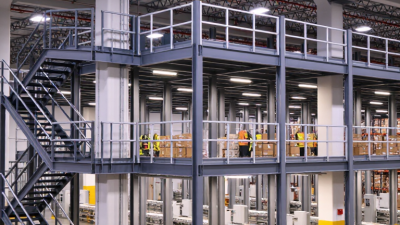
7 Best Multi Layer Steel Mezzanine Platforms?
Choosing the right Multi Layer Steel Mezzanine Platform can transform unused vertical space into a practical working level. It can support storage, packing stations, light assembly, or controlled inventory movement. Yet height alone does not create efficiency. The platform must fit the building, workflow, load pattern, and maintenance plan.
Warehouse design consultant James A. Tompkins has often emphasized, “The best warehouse design begins with the movement of products, not the appearance of the building.” That principle matters here. A platform may look strong on paper, but real performance depends on steel thickness, column spacing, decking, stairs, guardrails, pallet gates, and daily traffic. Small details matter.
Imagine cartons moving beneath the deck while operators pick orders above. Vibrations, noise, lighting, and clearance suddenly become practical concerns. An experienced installer will check floor capacity, fire protection, emergency access, and local engineering requirements before fabrication. Guesswork is expensive.
This guide reviews seven strong Multi Layer Steel Mezzanine Platform options for different operational needs. Some prioritize heavy storage. Others support flexible work areas or compact warehouse layouts. No single design is perfect. That is worth admitting.
The best choice may not be the largest platform. It may be the one that allows safer movement, easier expansion, and simpler inspection. Readers should compare certified load data, connection methods, finish quality, installation records, and after-sales support. A low purchase price can hide costly modifications later. Careful planning usually pays back through clearer workflows and better use of vertical space.
Read more »
By:Clara
- October 8, 2026
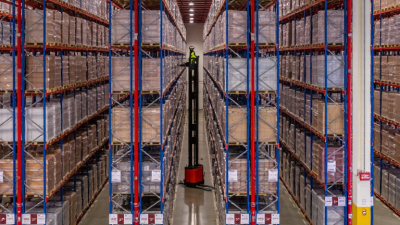
10 Best High Density Narrow Aisle Pallet Racking Systems?
High Density Narrow Aisle Pallet Racking is becoming a practical response to rising warehouse costs and limited floor space. It uses narrower aisles, taller frames, and specialized lift trucks. The result can be more pallet positions without expanding the building. However, density alone does not guarantee better performance.
The 2024 MHI Annual Industry Report found that 83% of supply-chain professionals plan to increase technology investment during the next five years. This trend supports smarter storage designs, including very narrow aisle and guided-truck systems. CBRE’s 2024 logistics research also identified labor availability and operating costs as major warehouse concerns. A compact rack layout may help, but it can increase travel complexity and equipment dependence.
John Paxton, former CEO of MHI, described supply chains as “the backbone of our economy.” That principle applies directly here. A rack system is not merely steel and beams. It shapes replenishment speed, picker safety, forklift access, and future flexibility. Aisles may appear impressively tight. Yet one blocked position can disrupt an entire operating rhythm.
This guide examines ten High Density Narrow Aisle Pallet Racking Systems through capacity, access, installation, safety, and return-on-investment considerations. The comparison is practical rather than promotional. Some facilities may gain thousands of pallet locations. Others may discover that slower access outweighs the space savings. That uncomfortable distinction deserves attention. Reliable design begins with measured traffic data, pallet dimensions, ceiling height, and honest labor assumptions.
Read more »
By:Clara
- October 8, 2026