Radio Shuttle Racking System: Max Capacity & Automated Logistics ROI
A definitive technical guide for global procurement directors, warehouse architects, and logistics managers seeking to double storage density, eliminate forklift collisions, and scale cold-chain throughput.
Engineering Excellence in Radio Shuttle Racking Systems
Transforming high-density warehousing by decoupling forklift transit from channel storage depth.
2004Pioneering Racking Excellence
System Architecture
How Radio Shuttle Technology Maximizes Storage Density
The Radio Shuttle Racking System is a high-density, semi-automated storage solution that utilizes a self-powered electric shuttle cart to transport pallets along specialized guidance rails within storage channels. By executing pallet positioning, lifting, and retrieval via wireless RF remote control or automated WMS signals, standard forklifts are no longer required to drive inside storage aisles.
Manufactured by Random Racks Storage Equipment Co., Ltd. in Nanjing, China, our engineered shuttle structures convert unutilized aisle space into revenue-generating pallet positions. Whether configuring for LIFO (Last-In, First-Out) batch storage or dual-aisle FIFO (First-In, First-Out) stock rotation, the system delivers unmatched structural stability and operational speed.
Payload Capacities: 500 kg to 1,500 kg per pallet
High travel speed: Up to 1.1 m/s loaded / 1.5 m/s unladen
Radio Shuttle System Components & Technical Specifications
Every element is precision-rolled in our factory to guarantee zero-jam shuttle mobility and maximum seismic resistance.
Cold Chain (-30°C)
Sub-Zero Freezer Radio Shuttle System
Specially engineered with anti-condensation thermal barriers, low-temperature gearboxes, and cold-rated LiFePO4 batteries designed to run flawlessly at -30°C in food and pharmaceutical freezers.
Designed for fast-moving consumer goods (FMCG). Loading takes place at the rear face while picking occurs at the front aisle, ensuring strict date-code control and zero inventory stagnation.
Features Wi-Fi mesh communication, optical positioning sensors, automated pallet counting, and direct handshakes with warehouse management software for 24/7 automated fleet scheduling.
Reinforced cold-rolled steel rails with extra vertical upright bracing engineered specifically for beverage distribution, chemical drums, and heavy manufacturing components.
Radio Shuttle Racking vs. Alternative High-Density Systems
Evaluating spatial efficiency, operational labor costs, safety risk profile, and overall Return on Investment (ROI).
Performance Metric
Radio Shuttle Racking System
Drive-In Racking System
Push-Back Racking System
Automated AS/RS System
Storage Volume Utilization
Very High (75% – 85%)
High (60% – 70%)
Moderate (55% – 65%)
Maximum (85% – 95%)
Inventory Rotation
FIFO & LIFO Convertible
Strict LIFO (FIFO with Drive-Thru)
Strict LIFO
Strict FIFO / Dynamic WMS
Forklift Operator Labor Cost
Very Low (-50% Travel Time)
High (Slow in-channel travel)
Moderate
Zero (Fully Automated)
Risk of Structural Damage
Extremely Low (Forklifts stay in aisle)
High (Frequent upright strikes)
Low (Forklifts stay in aisle)
Zero (Robotic crane handling)
Cold Storage Operating Efficiency
Excellent (Down to -30°C)
Poor (Loss of cold air in aisles)
Moderate
Excellent (High CAPEX)
Typical ROI Payback Period
12 to 24 Months
24 to 36 Months
18 to 30 Months
48 to 72 Months
Data based on enterprise logistics benchmark studies performed by Random Racks Storage Equipment Co., Ltd. for 500+ global installations.
Market Intelligence & Forecasting
Future Procurement Trends in Radio Shuttle Systems
Understanding the technological evolution driving global supply chain automation decisions through 2030.
1. Convergence of 2D Radio Shuttles and 4-Way AMRs
Global procurement intent is rapidly shifting from single-direction radio shuttles (1D/2D) toward fully autonomous 4-way direction-changing shuttles integrated with Automated Guided Vehicles (AGVs). This transition allows shuttle units to change aisles vertically and horizontally via lift systems, eliminating manual forklift transfers between channels.
2. IoT Fleet Management & Battery Telemetry
Modern procurement buyers demand cloud-connected battery telemetry and predictive maintenance sensors. Next-generation Radio Shuttle systems engineered by Random Racks include real-time thermal monitoring, automatic low-battery return protocols, and optical laser obstacle detection that feed live health diagnostics into central maintenance dashboards.
3. Sustainable Cold Chain Carbon Reduction
With industrial energy costs escalating, enterprise logistics operators prioritize shuttle racking to shrink cold room building footprints. Operating a radio shuttle system cuts cold room air volumes by up to 60% per pallet position, directly driving down HVAC power consumption and contributing to corporate Scope 1 & 2 net-zero sustainability mandates.
4. Modular CAPEX Expansion Models
Unlike rigid fully automated AS/RS stacker crane setups requiring massive initial CAPEX, Radio Shuttle Racking allows scalable investment. Procurement teams can install high-density steel racking channels immediately and incrementally scale their shuttle cart fleet size as throughput demands increase.
20+Years OEM/ODM Expertise
E-E-A-T Leadership
Why Global Buyers Trust Random Racks Storage Equipment Co., Ltd.
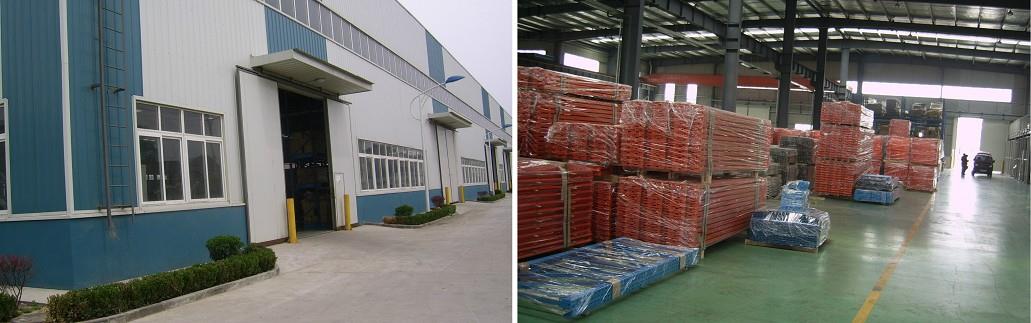
Founded in 2004 and headquartered in the Guli Industry Zone, Jiangning District, Nanjing, China, Random Racks Storage Equipment Co., Ltd. has grown into a world-class racking manufacturer spanning over two decades of engineering excellence. Our trademark registered brand represents structural reliability across more than 90 countries.
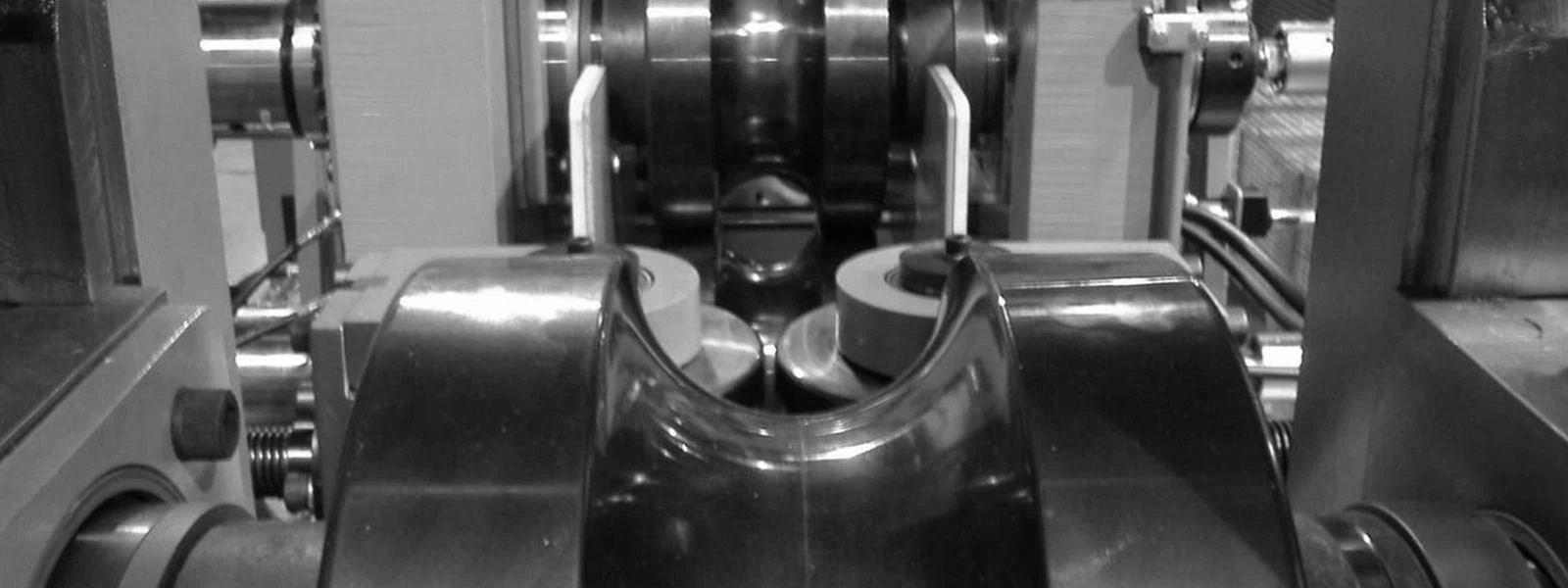
We operate fully automated continuous roll-forming lines, robotic welding cells, and eco-friendly electrostatic powder coating plants. By controlling every production stage from raw structural coil selection (Q235B/Q355B high-grade steel) to third-party load capacity testing, we ensure every shuttle system meets strict international engineering standards.
Compliant with AS4084, EN 15512, FEM 10.2.02 & RMI
Free 3D/CAD layout design & structural finite element analysis (FEA)
Full third-party load test reports & steel mill certifications
Bespoke structural layout and seismic calculations.
Global OEM / ODM
Custom colors, rail profiles, and software handshakes.
Export Quality Control
Heavy-duty protective bundling for ocean freight.
Procurement FAQ
Frequently Asked Questions on Radio Shuttle Racking Systems
Expert answers addressing search intent, technical specs, safety codes, and international procurement procedures.
What is the average ROI and cost payback period for a Radio Shuttle Racking System?
The return on investment (ROI) for a Radio Shuttle Racking System typically ranges between 12 and 24 months. Compared to standard selective racking, space utilization increases by up to 80%. Because forklifts do not enter the storage channels, forklift travel distances are cut by up to 50%, resulting in lower labor costs, reduced fuel/charging costs, and virtually zero rack damage repairs.
Can Radio Shuttle Racking operate reliably in cold storage and sub-zero freezers?
Yes. Random Racks manufactures specialized cold-chain shuttle units designed to operate continuously in freezer temperatures down to -30°C (-22°F). These units feature internal heating elements to prevent electronics condensation, specialized low-viscosity lubricants, and low-temperature Lithium Iron Phosphate (LiFePO4) battery packs.
How does Radio Shuttle Racking compare with traditional Drive-In Racking?
In Drive-In Racking, forklifts must physically drive inside the deep steel channels, which slows down pallet loading, increases operator safety risks, and frequently causes upright collision damage. Radio Shuttle Racking keeps forklifts safely in the main access aisle, while automated shuttle carts perform high-speed pallet movements inside the channels, significantly improving throughput and safety.
What floor slab tolerances and clear height requirements are needed?
Radio Shuttle systems require a level industrial concrete floor slab complying with FM2 or EN 15620 standards to ensure precise shuttle wheel contact along the rails. Minimum vertical clear height depends on your maximum pallet stack height plus top sprinkler/light clearances. Our engineering team provides detailed slab loading calculations during the 3D design phase.
How long do radio shuttle batteries last and how are they charged?
Our shuttle carts are equipped with industrial-grade LiFePO4 batteries providing 8 to 10 hours of continuous operational cycle time. Fast-charging stations allow carts to reach 80% charge capacity within 1 to 2 hours. Built-in battery management systems automatically signal operators when power drops to 15% and will move the shuttle to the aisle entrance before battery exhaustion.
Can the Radio Shuttle system integrate with warehouse management software (WMS)?
Yes. While standard shuttle systems operate via ergonomic handheld RF remote controls, Random Racks offers smart IoT-enabled shuttles capable of communicating directly with enterprise WMS/WCS platforms via Wi-Fi networks for automated inventory tracking, batch allocation, and multi-shuttle fleet coordination.
Which international manufacturing and safety standards do Random Racks products meet?
All structural steel uprights, beams, and shuttle rails produced by Random Racks Storage Equipment Co., Ltd. are engineered in accordance with European EN 15512 / FEM 10.2.02 codes, American RMI specifications, and Australian AS4084 standards. Third-party material test certificates (MTC) and independent load test reports are supplied with every order.
Accelerate Your Warehouse Capacity with Radio Shuttle Systems
Submit your warehouse floor plan, pallet dimensions, and storage targets today. Our engineering design office in Nanjing will provide a complete 3D layout, structural calculation report, and competitive factory-direct quote.
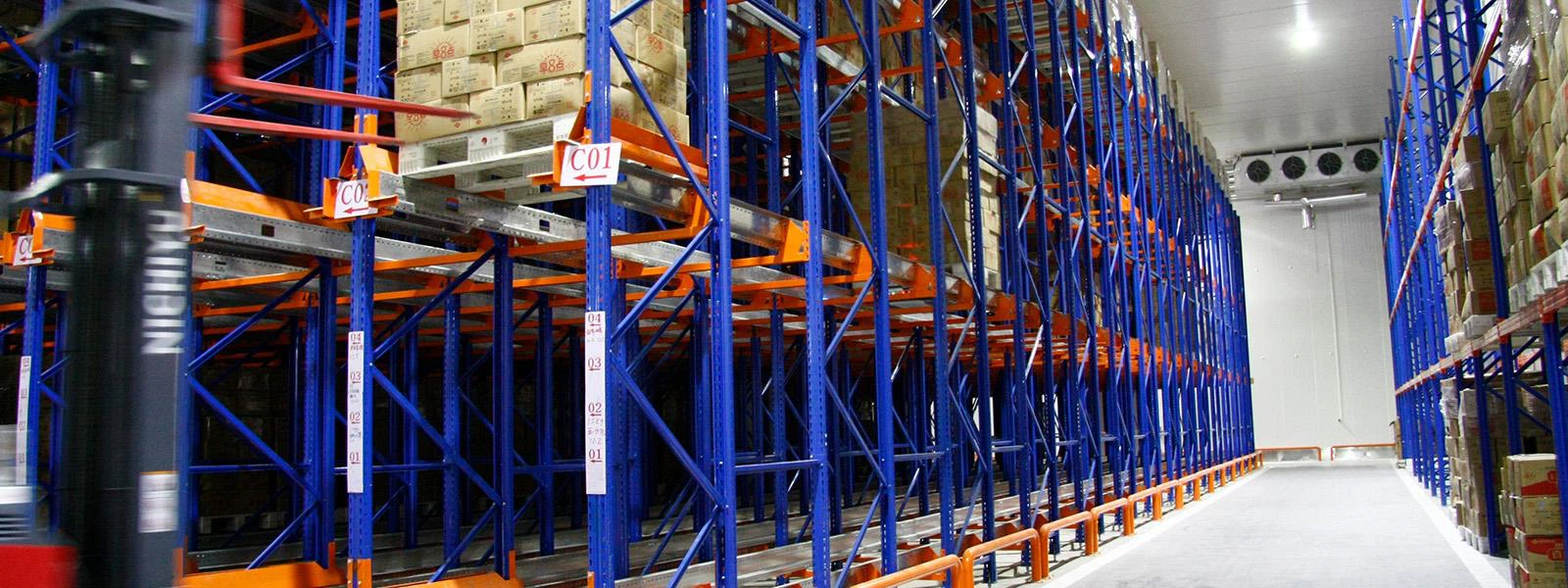 Cold Chain (-30°C)