0%

Choosing a FIFO Carton Flow Rack System is not simply a matter of adding rollers beneath cartons. It is a decision about product freshness, picking speed, space usage, replenishment effort, and daily safety. A well-designed lane should move the oldest carton forward while keeping labels visible and operators comfortable. Small details matter. Carton weight, package shape, lane depth, roller pitch, and brake requirements can change performance dramatically.

Industry evidence supports a careful approach. MHI’s 2024 Annual Industry Report highlights continuing workforce pressure and growing investment in supply chain technology. The report states that 55% of respondents expect to increase technology investment. This trend makes practical storage design more important, not less. However, automation cannot correct a poorly sized lane or inconsistent carton dimensions. That part is often overlooked.

Supply-chain scholar Martin Christopher wrote, “The supply chain competition is no longer company against company, but supply chain against supply chain.” His observation applies directly to warehouse flow. A rack system can influence replenishment time, picking accuracy, and inventory rotation across the entire operation. Still, one expert quote cannot replace site measurements. A shelf that looks efficient on paper may create awkward reaches during a busy shift.

This guide explains how to compare load capacity, FIFO performance, rack configuration, carton compatibility, installation needs, and long-term operating costs. It also considers a less comfortable question: are you choosing the system for real warehouse conditions, or for an attractive specification sheet?
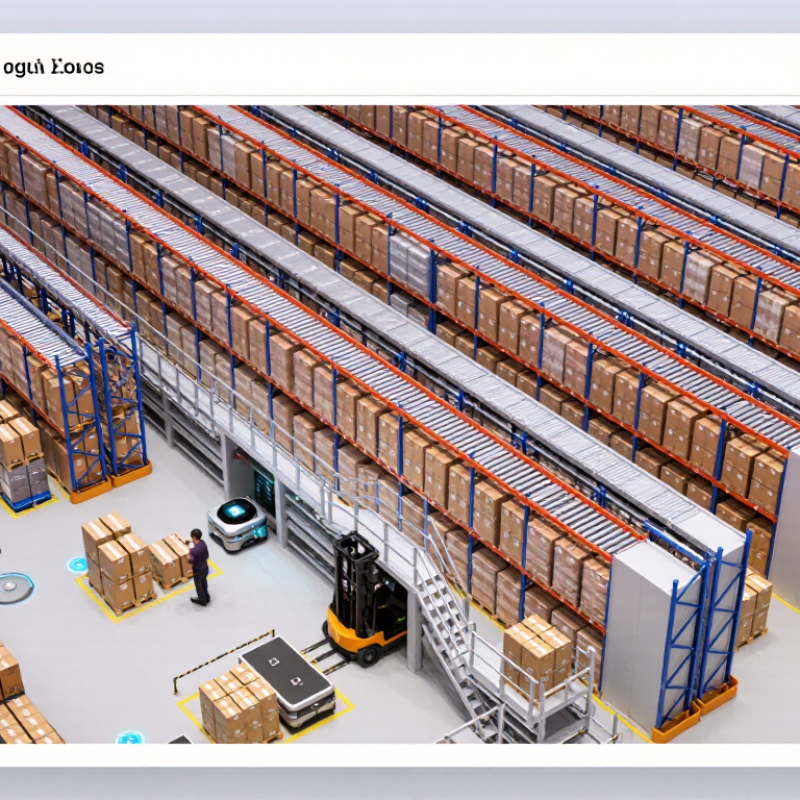
How to Choose a FIFO Carton Flow Rack System?

What Is a FIFO Carton Flow Rack System?

A FIFO carton flow rack system is a gravity-fed storage solution for boxed products. FIFO means “first in, first out.” The carton placed earliest should leave the rack earliest. This method supports inventory freshness and reduces the chance of forgotten stock.

The rack usually contains inclined roller lanes, guides, and adjustable dividers. Workers load cartons from the rear side. Each carton then moves gently toward the picking face. Operators remove stock from the front, while replenishment continues behind it. Clear labels and open access make product rotation easier to check.

A slight slope matters. Too little slope can stop cartons, while too much slope may cause impact damage.

Carton size is a practical concern. Boxes should move smoothly without tipping or jamming. A lane designed for one package may fail with another. Regular checks should examine rollers, frames, dividers, and stop bars. Dust, damaged cartons, or uneven loads can reduce flow performance.

The system is not perfect. Some products need static shelves because their packaging is soft, unstable, or unusually heavy. In warehouse planning, measuring actual cartons is more reliable than relying on nominal dimensions. Leave enough clearance for safe handling. Even experienced teams can overlook that detail.

How Carton Flow Rack Systems Support Inventory Rotation

How to Choose a FIFO Carton Flow Rack System?

A carton flow rack supports inventory rotation by moving older cartons toward the picking face. Gravity rollers or wheels create a clear replenishment path. Staff load new cartons from the rear. Pickers remove cartons from the front. This physical separation reduces accidental stock mixing and makes date-based picking easier.

The 2024 MHI Annual Industry Report found that 88% of supply chain professionals expected to increase technology and innovation investment within two years. FIFO racks remain a practical improvement because they require limited automation. The USDA estimates that 30–40% of the U.S. food supply is lost or wasted. Better rotation cannot solve every cause, but it can reduce avoidable aging in suitable operations. Choose adjustable lanes for different carton widths, and check the slope with real loads. Empty cartons behave differently.

Lane depth should match daily demand, not maximum storage ambition. A deep lane may hold more cartons but can hide damaged packaging and slow replenishment. WERC’s DC Measures research treats order-picking accuracy and inventory visibility as essential distribution-center benchmarks. Use readable labels, lot dates, and lane markers at eye level. Review exceptions weekly. A perfect FIFO plan can still fail when workers bypass the flow rack during busy periods. That weakness deserves attention. Test the system with actual carton weights, replenishment frequencies, and picking routes before expanding it.

How to Choose a FIFO Carton Flow Rack System? - How Carton Flow Rack Systems Support Inventory Rotation

Selection Dimension Typical Planning Data Recommended Choice FIFO and Inventory-Rotation Benefit Practical Check
Carton Weight Light-duty: up to 15 kg per carton
Medium-duty: 15–30 kg per carton
Heavy-duty: above 30 kg per carton
Select roller diameter, pitch, frame strength, and lane capacity according to the heaviest regularly handled carton. Correct load rating keeps cartons moving consistently from the replenishment side to the picking side without stopping or damaging stock. Test the heaviest carton with the smallest package footprint, because concentrated loads can increase rolling resistance.
Carton Dimensions Common carton depths: 200–600 mm
Common carton widths: 150–500 mm
Common carton heights: 100–500 mm
Use lane widths and roller spacing that support the smallest carton while allowing the largest carton to move freely. Stable carton travel prevents skewing, bridging, and hidden inventory that can interrupt first-in, first-out movement. Measure actual carton dimensions, including bulges, labels, protective wrapping, and irregular bases.
Lane Length Typical carton-flow lanes: 1.2–3.6 m
Longer lanes may require additional control points.
Choose the shortest lane that provides the required reserve quantity and replenishment frequency. Short, well-controlled lanes reduce the time between replenishment and picking, improving stock visibility and rotation discipline. Calculate lane capacity using usable depth, carton depth, and required safety stock rather than rack depth alone.
Gravity Incline Typical starting range: approximately 3°–10°; the correct angle depends on carton weight, base material, and roller design. Begin with the lowest angle that allows reliable movement, then validate with loaded cartons. A controlled incline advances the next carton automatically while keeping older stock at the picking face. Avoid excessive speed, carton impact, and uncontrolled movement; use brakes or speed controllers where necessary.
Roller Configuration Roller pitch is commonly selected so that at least three rollers support the carton base at all times. Use tighter roller spacing for small, flexible, or uneven cartons and wider spacing for rigid, stable cartons. Continuous support reduces carton stoppage and helps every unit reach the picking face in the intended sequence. Check the weakest carton base, not only the strongest packaging format.
SKU Profile Best suited to stable, case-packed SKUs with repeatable dimensions and regular demand. Assign one lane per SKU when possible; use dividers for compatible cartons sharing a lane. Dedicated lanes make the oldest available carton easy to identify and reduce mixed-SKU picking errors. Separate products with different lot dates, expiry dates, temperatures, or handling requirements.
Required Reserve Quantity A practical lane may hold approximately 4–12 cartons, depending on carton depth and rack configuration. Size each lane for the replenishment cycle plus a reasonable demand buffer, without overloading the lane. Adequate reserve stock reduces emergency replenishment and keeps the oldest cartons accessible at the front. Compare average daily demand, peak demand, delivery frequency, and available rack positions.
Replenishment Method Load from the rear and pick from the front for a true two-sided FIFO flow. Provide a clearly separated replenishment aisle and picking aisle. Separating loading from picking prevents new cartons from being placed in front of older cartons. Mark each aisle, lane, and SKU position with visible identification labels.
Inventory Rotation Rule FIFO is appropriate for general stock; FEFO is preferred when expiry dates determine the picking sequence. Use carton flow for physical rotation and combine it with lot-date or expiry-date controls where required. The system reduces aging inventory, obsolete stock, and avoidable product write-offs when operating rules are followed. Audit lot dates, expiry dates, and lane discipline at defined intervals.
Picking Frequency High-frequency SKUs benefit most from carton flow; low-frequency SKUs may require fewer lanes. Place fast-moving SKUs in the most accessible and ergonomically suitable positions. Reducing travel and handling time improves throughput while maintaining front-to-back stock rotation. Review order-line frequency and reposition SKUs as demand patterns change.
Ergonomic Picking Height Frequently picked cartons are generally positioned between knee and shoulder height where possible. Place heavy cartons in lower levels and lighter, frequently picked cartons in accessible levels. Better access encourages correct front-carton picking instead of bypassing older stock. Validate reach distance, lifting posture, aisle clearance, and carton handling frequency.
Safety and Maintenance Inspect frames, beams, rollers, lane dividers, stops, labels, and fasteners on a scheduled basis. Use positive carton stops, end guides, protective guards, and clear load limits where needed. Reliable components preserve consistent flow and prevent damaged cartons from disrupting FIFO sequence. Remove damaged components from service and document inspections and corrective actions.
Planning note: The ranges shown are typical preliminary planning values for carton-flow applications. Final lane dimensions, load ratings, roller spacing, incline, and safety features should be confirmed through a site-specific test using the actual cartons, loads, and operating conditions.

Which Storage Requirements Should You Assess First?

How to Choose a FIFO Carton Flow Rack System?

Which Storage Requirements Should You Assess First?

Before selecting a FIFO carton flow rack system, measure the products it must hold. Record carton length, width, height, and weight. Include damaged or irregular cartons in your assessment. A perfect sample rarely represents daily warehouse conditions.

Study SKU quantity and inventory movement carefully. Fast-moving items need more accessible lanes and quicker replenishment. Slow-moving products may require deeper storage. Check expiration dates, batch control, and order frequency when rotation matters. Ask how many cartons each SKU needs during peak periods. Guesswork creates congestion.

Measure the available floor area, clear height, aisle width, and column positions. Confirm the floor can support the planned load. Review forklift access, picking height, and replenishment routes. Operators should reach cartons without twisting or excessive stretching. Small ergonomic problems become expensive over time.

Environmental conditions also matter. Temperature, humidity, dust, and cleaning routines can affect carton performance. Consider whether products need labels facing the picker. Clear identification improves accuracy. It also reduces unnecessary handling.

Leave room for growth. However, avoid buying capacity that stays empty. I have seen tidy layouts fail because real carton sizes changed later. That lesson is uncomfortable, but useful. Test a proposed lane with actual cartons before approving the full system. A short trial can reveal poor flow, unstable cartons, or awkward replenishment points.

How to Select Rack Design, Capacity, and Configuration

How to Choose a FIFO Carton Flow Rack System?

How to Select Rack Design, Capacity, and Configuration

Choosing a FIFO carton flow rack begins with the cartons, not the frame. Measure carton length, width, height, and weight when fully loaded. Record the smallest and largest carton sizes. This detail matters because rollers must support cartons without creating gaps or jams. Test several cartons if packaging changes during the year.

Select a rack depth that supports stock rotation without hiding older cartons. A practical design usually places replenishment at the rear and picking at the front. Adjustable lanes help accommodate changing products. However, too many adjustments can weaken discipline. Workers may leave dividers in unsuitable positions. Clear labels and regular checks are still necessary.

Calculate capacity by usable lane space, not total steel volume. Include carton overhang, safety clearance, and access for handling equipment. Heavier cartons need stronger rollers and closer support spacing. Confirm the frame can handle the combined load across every level. It is easy to underestimate peak inventory. Seasonal demand can expose that mistake quickly.

Configuration should match workflow. High-volume items may need wider lanes and several pick faces. Slow-moving items often need compact lanes with fewer positions. Keep replenishment routes separate from picking paths where possible. Observe operators during a busy shift. Their movement may reveal design problems that drawings miss. A pilot section is valuable, even when the final layout seems obvious. Be willing to revise the plan.

What Safety and Maintenance Factors Should You Consider?

Choosing a FIFO carton flow rack involves more than matching shelf width to carton size. Safety starts with a clear load plan. Each lane should suit the carton’s weight, dimensions, and movement speed. Heavier cartons need stronger rollers and reliable stops. Test a loaded lane before daily use. Watch for cartons that sway, jam, or accelerate unexpectedly. Small failures become larger risks.

Anchoring, frame alignment, and floor condition deserve close attention. A rack that shifts slightly can affect carton travel. Installers should verify plumb frames, secure connections, and protected corners. Use documented load ratings, installation instructions, and applicable workplace safety requirements. Keep aisles wide enough for safe replenishment and picking. Train operators to load from the replenishment side and pick from the opposite side. Never climb on beams or use cartons as steps. Clear labels help, but labels alone do not prevent mistakes.

Maintenance should follow a written inspection schedule. Check rollers, brakes, lane dividers, bolts, anchors, and end stops. Look for bent steel, loose hardware, unusual noise, and damaged cartons. Remove defective components from service immediately. Record findings with dates and photographs. This creates useful evidence for supervisors and maintenance teams. One practical weakness is rushed inspection after peak shifts. It is easy to miss a worn roller then. Review the rack after changes in carton size, load weight, or workflow. The safest design may still need adjustment in real operation.

How to Choose a FIFO Carton Flow Rack System?

Safety and maintenance inspection intervals for key FIFO carton flow rack factors

Safety first: Confirm rated load capacity, rack anchoring, frame alignment, pallet compatibility, and positive end stops before installation.
Maintenance focus: Inspect rollers, brakes, guides, and flow paths regularly to prevent carton jams and uncontrolled movement.
Planning note: The intervals shown are practical baseline recommendations. Follow local workplace regulations, site risk assessments, and the rack supplier’s instructions.

FAQS

What is a FIFO carton flow rack system?

It is a gravity-fed rack for boxed products. FIFO means “first in, first out.” Earlier cartons leave first. Inclined rollers move cartons toward the picking side.

How does the loading and picking process work?

Workers load cartons from the rear. Operators pick cartons from the front. Replenishment continues behind available stock. Clear labels make product rotation easier to check.

Which carton details should be measured before selection?

Measure carton length, width, height, and weight. Include irregular or damaged cartons in the assessment. Actual cartons matter more than nominal dimensions.

How does carton size affect rack performance?

Cartons should move smoothly without tipping or jamming. A lane suited to one box may fail with another. Test real cartons before approving the complete layout.

What warehouse conditions should be reviewed?

Check floor area, ceiling height, aisle width, columns, and floor capacity. Review forklift routes and replenishment paths. Leave clearance for comfortable handling.

How should fast-moving and slow-moving products be arranged?

Fast-moving items need accessible lanes and quick replenishment. Slow-moving items may use deeper storage. Peak-period carton demand should guide lane quantity.

What safety checks are important during installation?

Confirm secure connections, aligned frames, protected corners, and documented load ratings. Keep aisles clear for picking and replenishment. Never climb on rack beams.

What maintenance should the system receive?

Inspect rollers, dividers, bolts, anchors, stops, and brakes regularly. Look for bent steel, loose hardware, unusual noise, and damaged cartons. Record dates and photographs.

Can every product use a carton flow rack?

No. Soft, unstable, or unusually heavy packaging may need static shelving. The system is useful, but not universal. Some layouts look efficient and still fail in daily use.

Conclusion

Choosing the right FIFO Carton Flow Rack System begins with understanding how it supports first-in, first-out inventory rotation. These racks use inclined roller or wheel tracks to move cartons from the loading side toward the picking side, helping ensure older stock is accessed before newer stock. This design can improve product visibility, reduce unnecessary handling, and make better use of valuable warehouse space.

Before selecting a system, assess carton dimensions, weight, stock volume, turnover rate, available floor space, and picking methods. Then determine the appropriate rack height, lane depth, capacity, and configuration for your operation. Adjustable components may provide flexibility as storage needs change. Safety and maintenance are equally important: include load limits, stable installation, clear access paths, carton stops, and protective features. Regular inspections should check rollers, frames, labels, and connections so the system remains reliable, organized, and safe for daily use.

Clara

Clara

Clara is a dedicated marketing professional who combines strategic insight, clear communication, and a deep understanding of the products and services offered by our company. With a strong background in market research, content strategy, and customer engagement, she transforms complex product......