Featured Industrial Racking & Automated Storage Solutions
Explore our flagship, CE-certified warehouse racking systems engineered for high load capacity, optimum floor space utilization, and seamless logistical integration.
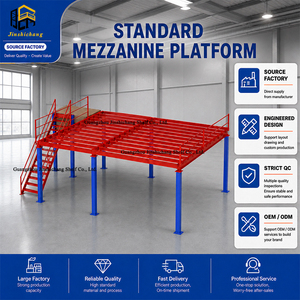
OEM Customized Steel Mezzanine Floor System
Heavy-duty structural steel platforms engineered to double or triple usable floor space without structural facility modifications.
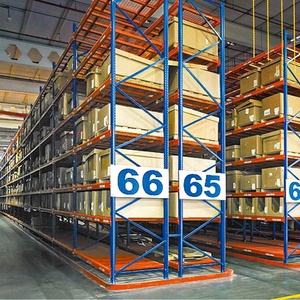
Narrow Aisle VNA High-Density Pallet Racking
Adjustable cold-rolled steel design maximizing vertical height while maintaining 100% direct pallet selectivity for e-commerce hubs.
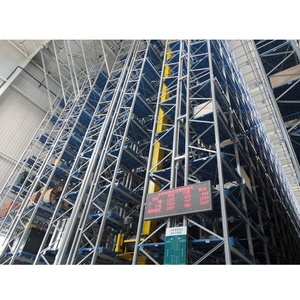
High Density Automated Storage & Retrieval System (ASRS)
Fully integrated robotic racking infrastructure designed for zero-error automated pallet handling and high-throughput distribution.
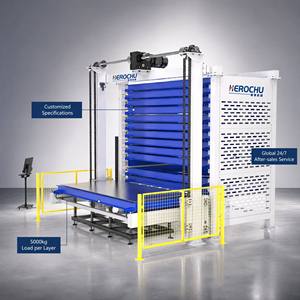
Multi-Tower Smart Vertical Sheet Metal Storage System
Heavy payload (5000kg/layer) automated tower racking specifically engineered for industrial steel plate and raw material management.
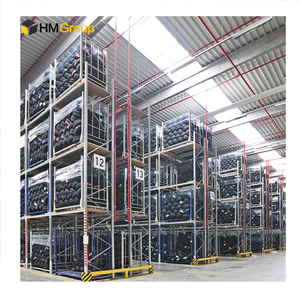
Heavy-Duty Modular Stacking & Folding Tire Racks
Versatile, stackable steel containers designed for secure automotive tire transport, logistics handling, and floor-space saving.
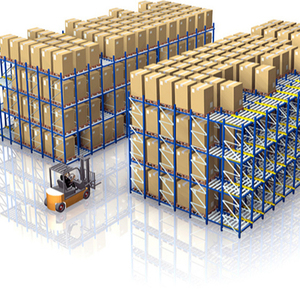
Heavy-Load FIFO Gravity Flow Pallet Racking
Dynamic roller bed pallet racking enabling strict First-In, First-Out (FIFO) stock inventory rotation for perishable and high-turnover goods.
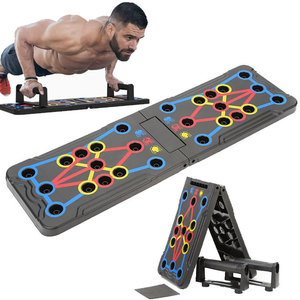
Multi-Functional Ergonomic Industrial Push Up Board
Precision-engineered portable structural modular gear designed for customized industrial ergonomic conditioning and utility strength application.
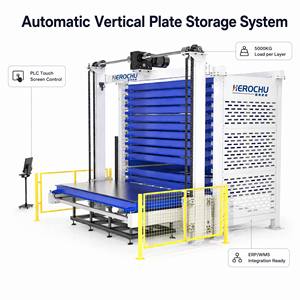
Motorized Vertical Drawer Plate Storage (ERP/WMS Ready)
PLC touch-screen operated motorized plate rack with 5000KG per layer capacity, seamlessly interfacing with modern enterprise ERP & WMS software.
Why Partner With Our Storage Manufacturing Enterprise
Random Racks Storage Equipment Co., Ltd. brings two decades of structural engineering expertise, integrated supply chain capabilities, and strict European quality assurance.
CE & Global Standard Rigor
All structural designs comply strictly with European FEM 10.2.02, EN 15512, RMI, and Australian AS4084 guidelines, verified via certified third-party load testing.
Free 3D & CAD Engineering Layouts
Our structural engineers provide complimentary 3D spatial simulations, load capacity calculations, and custom warehouse layouts prior to order placement.
Direct Factory Exporting Experience
Operating from Guli Industry Zone, Nanjing, China, our 20+ year manufacturing footprint supplies high-tier industrial storage solutions across over 90 international markets.
End-to-End OEM / ODM Customization
Tailored steel profile gauge thickness, custom epoxy powder coating colors, automated PLC integrations, and private labeling options for turnkey fulfillment.
Engineering Whitepaper: Technical Benchmarks for CE Certified Pallet Storage Systems
Executive Procurement Insight: CE Certification in steel racking structures guarantees compliance with European Union Construction Products Regulation (CPR 305/2011) and EN 1090-1 execution standards for load-bearing steel components. Sourcing certified systems eliminates structural catastrophic failure risks while reducing operational insurance liabilities.
1. The Structural Physics & Compliance Standards of Heavy-Duty Pallet Racking
Industrial pallet storage systems represent critical structural investments where civil engineering, material science, and mechanical logistics intersect. Selecting a certified manufacturer involves evaluating structural integrity under multi-axial loads, dynamic forklift impacts, and localized seismic forces. In modern European and global supply chain hubs, simple material thickness is insufficient; the cold-formed steel profiles must maintain optimal strength-to-weight ratios through scientific cross-sectional geometry.
Structural reliability centers around international standards such as EN 15512:2020 (Steel static storage systems - Adjustable pallet racking systems - Principles for structural design) and FEM 10.2.02. These frameworks govern structural engineering limits: elastic buckling analysis, upright frame torsion, rack beam deflection limits (typically L/200), and connector lock engagement mechanisms. Furthermore, certified exporters must implement mill-traceable high-yield strength steels—ranging from Q235B to Q355B grade cold-rolled structural steel—treated with electrostatic epoxy powder coating to withstand aggressive industrial environments.
| Racking System Type | Structural Load Rating | Space Efficiency | Inventory Rotation | Primary Sector Application |
|---|---|---|---|---|
| Selective Pallet Racking | 1,000kg – 4,500kg / Level | 40% – 50% Floor Util. | 100% Selective (FIFO/LIFO) | 3PL, FMCG, Spare Parts Hubs |
| Narrow Aisle (VNA) Racking | 1,500kg – 3,500kg / Level | 70% – 85% Floor Util. | 100% Selective (FIFO/LIFO) | E-commerce, Pharmaceutical, High-Bay DC |
| Drive-In / Drive-Thru Racking | 1,000kg – 2,000kg / Pallet | 75% – 85% Floor Util. | Strict LIFO (FIFO with Drive-Thru) | Cold Storage, Bulk Chemical, Beverage |
| Radio Shuttle Racking | 1,500kg – 2,000kg / Shuttle | 80% – 90% Floor Util. | Programmable FIFO / LIFO | Cold Chain Logistics, Food Processing |
| Automated Storage (ASRS) | Up to 5,000kg / Layer | 85% – 95% Floor Util. | WMS Automated Real-Time | Heavy Manufacturing, Automotive, Tech |
2. Future Global Procurement Trends in Industrial Storage Infrastructure (2025–2030)
The global industrial warehouse storage equipment market is experiencing a paradigm shift driven by e-commerce acceleration, escalating urban land costs, and supply chain vulnerability management. B2B procurement directors and warehouse operations directors must adapt their capital expenditure strategies to align with five dominant procurement trends over the next decade:
A. Transition to Vertical High-Density Footprints: As industrial real estate cost-per-square-meter rises globally, logistics operators are shifting capital from horizontal warehouse expansion toward vertical high-density solutions. Systems such as Very Narrow Aisle (VNA) and multi-tier structural mezzanine floor platforms permit companies to exploit vertical clear heights up to 18+ meters without expanding building envelopes.
B. Modular Scalability and Hybrid Automation: Complete automated overhaul of existing facilities is often cost-prohibitive. Consequently, procurement heads are favoring modular "automation-ready" structural racks. Storage racks designed to accept automated radio shuttles or vertical motorized drawer modules allow facilities to automate incrementally as throughput demands escalate.
C. Sustainability and Low-Carbon Steel Manufacturing: International ESG mandates require supply chain stakeholders to evaluate the carbon footprint of factory logistics equipment. Exporters offering eco-efficient powder coating lines (free from volatile organic compounds and heavy metals), optimized lightweight roll-formed profiles, and energy-efficient manufacturing processes are securing preferential vendor status in European and North American enterprise tenders.
D. Enhanced Seismic and Dynamic Load Engineering: Global logistics infrastructure investments in seismically active regions demand sophisticated non-linear structural analysis. CE-certified factories utilize finite element analysis (FEA) software to model seismic ground accelerations, ensuring pallet beams and upright baseplates maintain emergency ductility without structural collapse during earthquake events.
3. Technological Evolution & Material Innovation in Storage Systems
The transition from traditional static shelving to smart, sensor-integrated storage structures represents a key competitive frontier. Modern structural manufacturing leverages advanced cold-roll forming automation to create perforated upright profiles with variable section moduli. This precision engineering reduces material mass while maximizing moment of inertia and buckling resistance.
Material innovation extends to surface preservation technology. Dual-coat galvanized finish and thermosetting epoxy-polyester powder finishes protect steel structures operating in sub-zero cold storage facilities down to -30°C. In high-humidity environments, specialized corrosion-resistant surface treatments prevent hydrogen embrittlement and iron oxide degradation, extending structural operational lifespans past 25 years.
Furthermore, digital integration via PLC touch-screen interfaces and automated vertical plate storage racks (capable of handling 5000kg heavy-gauge industrial metal sheets per layer) bridges raw material staging directly with Enterprise Resource Planning (ERP) and Warehouse Management Systems (WMS). This integration turns passive steel racks into active, data-emitting logistical nodes.
Frequently Asked Questions by International Buyers
Comprehensive engineering, compliance, and procurement answers tailored for logistics engineers, project architects, and global sourcing teams.
Why is CE certification critical when sourcing pallet storage systems from international factories?
CE certification confirms that the structural steel racking system complies with European Union health, safety, and environmental protection standards under EN 1090-1 and the Construction Products Regulation (CPR). For global buyers, CE marking guarantees that the manufacturer utilizes verified structural raw steel, validated load-testing procedures, and standard-compliant welding quality control. Importing non-certified racking risks structural compliance rejection by local municipal safety inspectors and insurance claim invalidation in the event of an operational accident.
What technical parameters are required to generate a customized 3D/CAD warehouse rack layout?
To design an optimized structural rack system, our engineering team requires five core input parameters: (1) Warehouse structural floor layout drawing indicating column grids, clear height under trusses, building doors, and obstruction points; (2) Pallet unit load specifications including width, depth, height, and gross weight per pallet; (3) Material handling equipment data, specifically forklift model, turning radius, maximum lift height, and minimum aisle width requirements; (4) Preferred inventory flow methodology (FIFO vs. LIFO); and (5) Environmental conditions such as ambient temperature and local seismic code ratings.
How do Drive-In, Push-Back, and Radio Shuttle systems compare regarding cold storage space efficiency?
While all three are high-density storage configurations, their operational dynamics differ significantly. Drive-In racking maximizes volumetric cube utilization by eliminating aisle space, but forces a strict LIFO stock rotation and increases forklift frame collision risk. Push-Back racking uses nested rolling carts (storing 2 to 6 pallets deep per lane), allowing faster picking throughput than Drive-In without forklifts entering the rack. Radio Shuttle racking represents the premium automated solution, utilizing programmable semi-automated shuttles within deep storage channels. Shuttle systems offer maximum safety, reduced fork truck operating cycles, and flexible FIFO/LIFO programming—making them the most energy-efficient option for high-cost refrigerated cold rooms.
What design standards govern your structural pallet racking and longspan shelving production?
Random Racks Storage Equipment Co., Ltd. manufactures structural systems engineered to international regulatory codes. Our pallet racking systems are designed with reference to European EN 15512 and FEM 10.2.02 codes, as well as the US Rack Manufacturers Institute (RMI) specifications. Our longspan shelving profiles comply with Australian standard AS4084 guidelines. Certified mill test certificates (MTC) for steel coils and independent third-party physical load test reports are supplied with project documentation.
What is the standard production lead time and container packing protocol for export shipments?
Standard manufacturing lead time for custom pallet racking projects ranges from 15 to 30 operational days following CAD drawing sign-off and deposit confirmation. Automated ASRS components or complex motorized systems are scheduled according to project milestone agreements. For ocean transport, upright frames and beams are bundled with steel strapping, wrapped in protective moisture-barrier film, and fitted with wood-block corner protectors to prevent transit friction damage during sea container shipment.
Does your enterprise offer OEM/ODM branding and global installation oversight?
Yes. We provide comprehensive OEM/ODM manufacturing services, including custom corporate powder coat matching (RAL color matching), specialized beam connectors, stamped logo plates, and branded export packaging. For installation, we provide detailed 3D step-by-step assembly blueprints, component markers, and video guides. For qualified high-volume projects, senior structural installation supervisors can be dispatched on-site to oversee local assembly and commissioning.
Optimize Your Warehouse Capacity with CE Certified Structural Systems
Contact our structural engineering team today to receive a free, zero-obligation 3D CAD layout, structural load calculation report, and factory-direct quotation within 24 hours.