High-Performance Storage Systems Supplied Across Kenya
Explore our engineering-grade pallet racking, heavy-duty mezzanine platforms, and specialized industrial containers manufactured for optimum cube utilization and structural reliability.
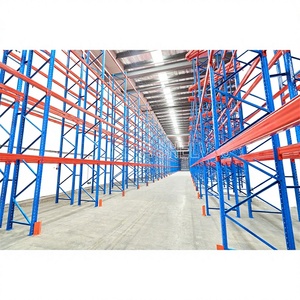
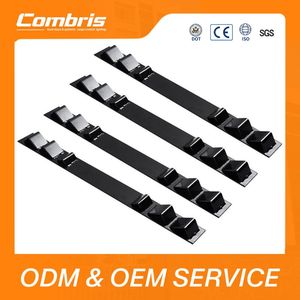
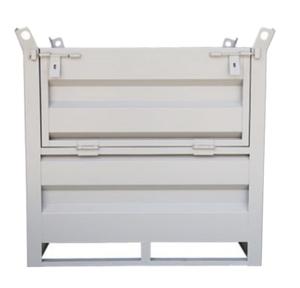
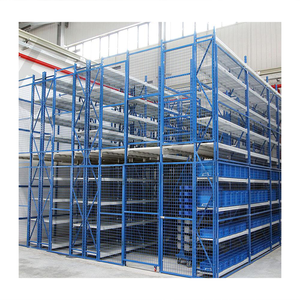
Engineering Excellence: FILO Push Back Racking Architecture
Understanding the mechanical principles, operational advantages, and structural payload dynamics of First-In, Last-Out (FILO) push back cart systems.
Nested Cart Mechanics
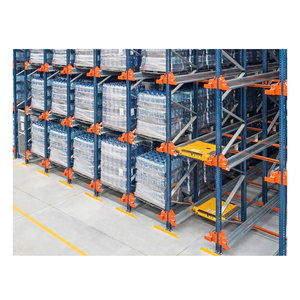
Utilizes a series of nested, low-profile steel carts riding on inclined structural steel rails (1.5° to 2.0° pitch). As a forklift pushes the first pallet back, it exposes the nested cart beneath, enabling 2 to 6 pallet deep storage per lane without driving into the rack structure.
Gravity Flow Retrieval
When picking, gravity smoothly advances the remaining pallets forward to the aisle face at a controlled speed. Heavy-duty sealed steel bearings ensure frictionless operation under extreme cold or tropical temperature shifts, drastically reducing material handling cycles.
Structural Integrity & Safety
Engineered with cold-rolled Q235B and Q355B structural steel uprights. Integrated gravity safety stops, rubber impact bumpers, and anti-lift tabs eliminate derailment risks, making it far safer than traditional drive-in racking systems.
Structural Engineering Specifications Matrix
The following technical benchmarks reflect our standard export configurations for industrial facilities across Kenya and East Africa:
| System Parameter | Engineering Specification | Kenya Operational Benefit |
|---|---|---|
| Storage Depth Capacity | 2, 3, 4, 5, or 6 Pallets Deep per Lane | Increases floor space efficiency by up to 75% compared to selective rack. |
| Payload Rating per Pallet | 500 kg to 1,500 kg per pallet position | Accommodates dense bulk cargo, beverage crates, and machinery parts. |
| Structural Steel Grades | High-strength Q235B / Q355B Cold-Rolled Steel | Resistant to high structural stress, impact, and seismic activity in the Great Rift Valley. |
| Incline Rail Slope | 1.5° to 2.2° precision-calibrated pitch | Self-adjusting speed retardation prevents hard forward collision during retrieval. |
| Surface Protection | Electrostatically Applied Epoxy Powder Coating (60-80μm) / Hot-Dip Galvanized | Protection against high ocean humidity in Mombasa Port logistics corridors. |
| Compliance Standards | ISO9001, EN 15512, FEM 10.2.02, RMI, AS4084 | Fully certified for KEBS (Kenya Bureau of Standards) PVoC inspection. |
High-Density Racking Applications in Kenya’s Supply Chain Hubs
As Kenya consolidates its status as the logistics powerhouse of East Africa, warehouse operators in major industrial zones require localized high-density storage solutions tailored to regional challenges.
Nairobi Industrial Area, Syokimau & Mlolongo Distribution Hubs
With industrial lease rates in Nairobi rising rapidly, logistics operators along the Mombasa Road and Eastern Bypass corridors cannot afford wasted aisle space. FILO Push Back Pallet Racks allow FMCG distributors, pharmaceuticals, and retail chains (such as Naivas and Quickmart supply networks) to store up to 75% more SKUs per square meter while maintaining fast lane access for standard counterbalanced forklifts.
Mombasa Port & Kilindini Transit Freight Terminals
Inland Container Depots (ICDs) and logistics parks near Mombasa Port face relentless humidity and heavy cargo volumes destined for Uganda, Rwanda, and the DRC. Our push back racking systems feature customized anti-corrosive epoxy coatings and hot-dip galvanized nested carts, delivering high-density consolidation for transit goods without degradation from marine salt air.
Naivasha ICD & Rift Valley Horticultural Cold Storage
Kenya’s flower and fresh produce export industry requires rapid, energy-efficient cold chain management. In cold rooms, power consumption is directly tied to total room volume. By compressing storage density and eliminating multiple access aisles, our push back systems reduce refrigeration costs per pallet position by up to 40% in Naivasha, Eldoret, and Nakuru packhouses.
Industrial Manufacturing & Automobile Spare Parts Depots
Assembly plants and automotive spare parts distributors in Thika and Ruiru benefit from the high load capacity (up to 1,500 kg per pallet) of our heavy-duty push-back cart systems. Batch storage of single SKUs—such as tires, steel coils, and assembled components—becomes streamlined, safe, and visually trackable.
Market Analysis: Why Kenyan Supply Chain Directors are Transitioning to FILO Push Back Racking
The East African logistics landscape is undergoing a structural evolution driven by the Standard Gauge Railway (SGR), expansion of Special Economic Zones (SEZs), and rapid e-commerce growth. Warehouse space optimization is no longer just a facility design choice—it is a core financial benchmark.
1. Escalating Real Estate Overhead
Land acquisition and warehouse construction costs in Nairobi and Kiambu counties have escalated. Push back racking doubles vertical storage utilization, delaying or eliminating the need to lease secondary premises.
2. Superior Safety vs. Drive-In Rack
In drive-in racking, forklifts enter structural bays, leading to frequent upright collisions and maintenance downtime. Push back racking keeps forklifts in the main aisle, preventing structural damage and reducing operator hazard.
3. SKU Selectivity vs. Density Balance
Unlike drive-in systems that commit an entire block to one SKU, push back racking allows each lane (2 to 6 pallets deep) to hold a different SKU, radically improving picking flexibility for mid-sized inventories.
Why Partner with Random Racks Storage Equipment Co., Ltd.
Delivering heavy-duty warehouse racking solutions from our state-of-the-art Nanjing manufacturing complex directly to African logistics enterprises since 2004.
20+ Years Manufacturing Heritage
Founded in 2004 with brand registration in 2012, Random Racks operates fully integrated production lines encompassing cold roll-forming, continuous automated punching, robotic laser welding, and automated powder-coating lines.
Free 3D/CAD Engineering Design
Our structural engineers analyze your warehouse floor layout, clear roof height, forklift turning radius, and load parameters to output complete 3D layouts, structural calculations, and precise bills of materials prior to manufacture.
KEBS & PVoC Certification Support
We provide comprehensive export documentation, including Mill Test Certificates, load testing reports, Certificate of Conformity (CoC) clearance via SGS/Intertek, ensuring smooth customs processing at Mombasa Port.
Frequently Asked Questions by Kenyan Warehouse Buyers
Clear, direct answers regarding customs clearance, installation, technical standards, and shipping logistics to Kenya.
How does shipping and container loading work from China to Mombasa Port?
We pack rack frames, beams, and nested cart assemblies into dense export bundles protected by wooden skids, corner guards, and steel strapping. Standard 40ft High Cube (40HC) containers are optimized to maximize weight and volume allowances, delivering direct FCL (Full Container Load) shipments to Mombasa Port within 22 to 28 days transit time.
Are your racking systems engineered for Kenya seismic conditions in the Rift Valley?
Yes. For installations in Nakuru, Naivasha, Eldoret, or Kisumu near the Great Rift Valley fault zone, our structural design software incorporates local seismic coefficient variables. We engineer oversized baseplates, heavy-duty floor anchor bolts, and reinforced diagonal bracing compliant with international structural codes (EN 15512 / RMI).
Can push back racking accommodate varying pallet sizes used in East Africa?
Absolutely. While standard ISO pallets (1200mm x 1000mm) and Euro pallets (1200mm x 800mm) are common in Kenya, our nested carts can be custom-engineered with full-depth deck plates or specialized runner rails to safely carry non-standard wooden or plastic pallets without risk of tipping or jamming.
What forklift specification is required to operate a push back pallet rack?
Standard counterbalanced, reach trucks, or articulated forklifts (such as Flexi or Bendi) can operate push back racking. No specialized attachment is required. The operator simply lifts the pallet slightly above the cart height, pushes the front pallet back with the load, and lowers the pallet onto the exposed cart.
Do you provide installation supervision support in Kenya?
Yes. Every project includes detailed CAD assembly drawings, component numbering tags, and video installation manuals. For large-scale logistics park projects in Nairobi or Mombasa, we can dispatch senior installation engineers on-site to supervise local rigging crews and certify final installation structural integrity.
How do I request a formal engineering proposal and quotation?
Simply click our inquiry button below, provide your warehouse dimensions (Length x Width x Clear Height), pallet dimensions, maximum load weight per pallet, and forklift details. Our engineering team will supply a customized 3D CAD layout and commercial quotation within 24 hours.
Transform Your Warehouse Floor Space into a High-Density Asset
Consult with our lead engineering team today. Get a free, zero-obligation 3D CAD layout design, structural calculation report, and factory-direct pricing for your Kenya facility.